


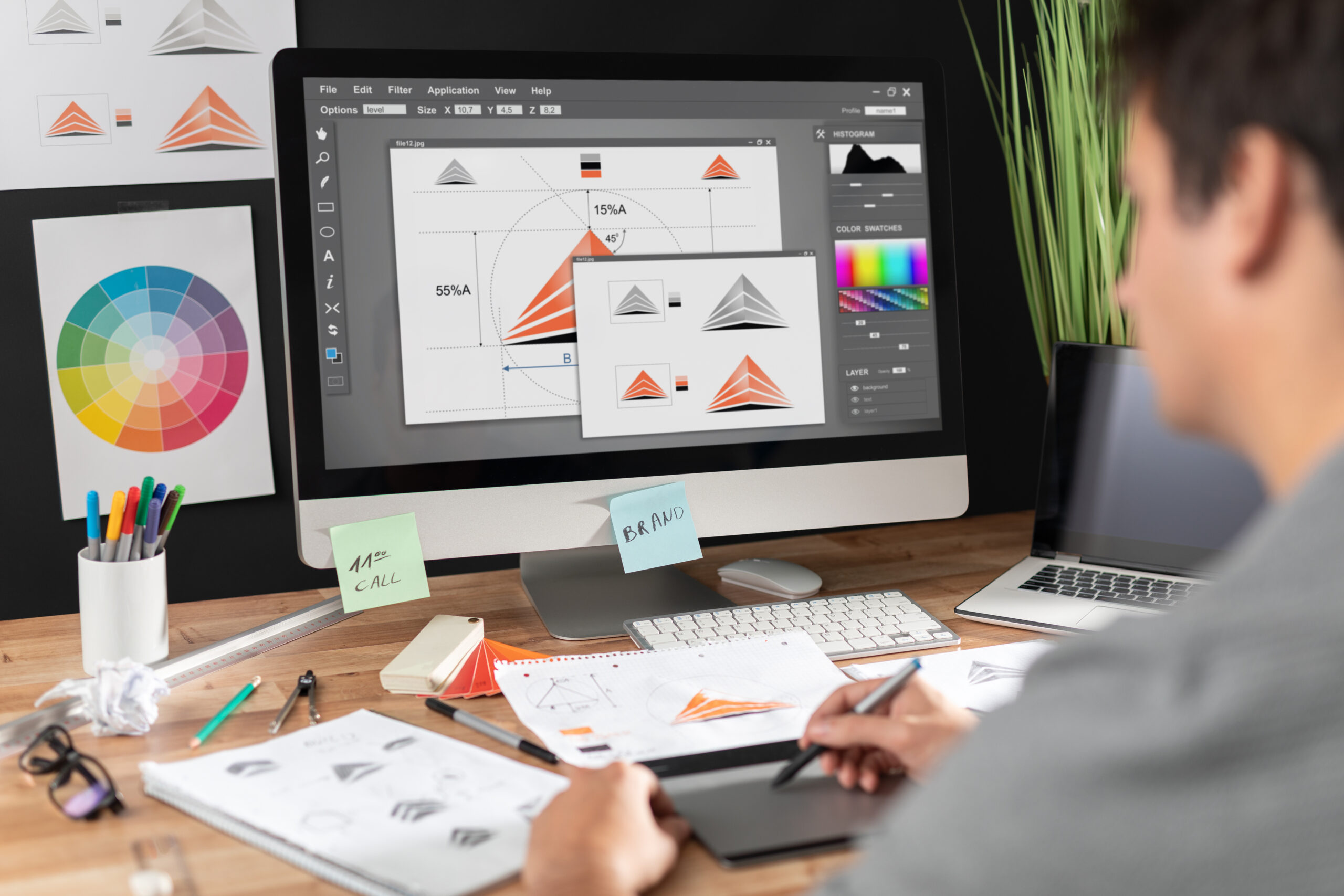
If your brand feels outdated, lacks cohesion, or no longer resonates with your ideal audience, a rebrand may be the smartest move you make this year. This article is here to help you revamp your brand identity with a focus on direct sales environments. Whether you plan to launch new products, reach new markets, or freshen up your image, this guide will walk you through key steps to rebrand effectively for 2026 and beyond.
1. Revisit Your Core Brand Purpose
The first step in any rebranding process is to reassess your “why.” Why does your business exist? What problems are you solving, and for whom? Has your mission evolved since you first launched?
As you think about how to create a brand strategy, start by defining your brand’s core purpose in today’s context. For example, maybe you started as a local retailer but now plan to franchise or expand regionally. Perhaps your original audience was young adults, but you’re now seeing strong traction with families.
Understanding your purpose and how it’s changed helps you build a brand that aligns with your business goals, sales model, and future vision.
2. Audit Your Existing Brand Assets
Before creating anything new, take inventory of what you already have. This includes:
- Store signage and interior visuals
- Printed materials like brochures, menus, or flyers
- Product packaging and labels
- Uniforms or employee dress code
- Verbal scripts or greetings used by staff
- Branded merchandise or customer freebies
Look at these assets through your customers’ eyes. Do they look modern and relevant? Do they support the story you’re trying to tell? Are they helping you drive direct sales and create in-person excitement?
Identifying what still works and what feels outdated will guide your creative direction as you begin to revamp your brand identity.
3. Align Your Rebrand with Business Goals
Your rebrand shouldn’t be just a visual refresh. It must support business goals like:
- Attracting a new demographic
- Launching a new product line or service
- Opening additional retail locations
- Increasing in-store sales conversions
- Enhancing customer loyalty or repeat visits
For example, if you’re expanding your product offerings to include eco-friendly options, your rebrand should emphasize sustainability through messaging, packaging, and even store layout. If you’re moving from a premium pricing model to a more affordable tier, the visuals and tone must reflect accessibility.
Keep all creative decisions tied to these goals for a cohesive, results-driven outcome.
4. Update Your Logo and Tagline Thoughtfully
Your logo and tagline are powerful symbols of your brand identity, especially in a direct sales context where customers interact with your brand in person. If your logo looks dated or your tagline no longer speaks to your audience, now is the time to refine them.
Tips for updating these elements effectively:
- Keep it simple and scalable for various print formats
- Make sure it works well on signage, product labels, uniforms, and packaging
- Ensure your tagline supports your value proposition
Remember, you’re not just refreshing for aesthetics. You’re making your brand easier to remember, trust, and buy from in a face-to-face setting.
5. Reimagine the In-Store Experience
When you revamp your brand identity, it’s not just about what customers see. It’s about what they feel. Your physical environment plays a major role in that.
Think about the way your store or sales floor is laid out. Does it reflect your updated brand personality? Is it inviting, consistent, and aligned with your new image?
Consider:
- Updating paint colors and interior design
- Introducing signage that clearly communicates promotions and brand values
- Creating experiential product displays that tell a story
- Training staff to align with the updated tone and language of the brand
Customers are more likely to trust and purchase from a brand that provides a clear, immersive, and consistent experience.
6. Train Your Sales Team as Brand Ambassadors
In direct sales, your people are your brand. Your staff plays a key role in delivering your brand promise and engaging with customers. During a rebrand, don’t leave them out of the process.
Host brand training sessions that help employees:
- Understand the purpose behind the rebrand
- Use new language or scripts aligned with the new tone
- Represent the brand visually (through updated uniforms or dress codes)
- Reinforce new offers, promotions, or positioning in customer conversations
Your team should not only sell products. They should live the brand. Empowering them in the rebranding process ensures smoother adoption and stronger representation on the floor.
7. Introduce Limited-Edition Branding During the Transition
One practical way to transition smoothly into your new identity is to roll it out in phases using limited-edition branded items. For example:
- Launch new packaging or product labels in small batches
- Create collector’s edition merchandise to build excitement
- Offer customers sneak peeks through printed lookbooks or in-store displays
This approach keeps your audience engaged during the transition and helps build anticipation. It also gives you a chance to test elements of your rebrand before committing long-term.
This is especially effective when introducing new product lines or services that will define your 2026 direction.
8. Refresh Your Product Packaging and Physical Marketing Materials
For brands that rely on direct sales, packaging is often the first physical touchpoint with the customer. Rebranding your packaging isn’t just about design. It’s about reinforcing quality, consistency, and the emotional appeal of your products.
Think about:
- Consistent fonts, colors, and iconography across all product lines
- Clear and concise copy that reflects your new brand voice
- Shelf-ready packaging that stands out and communicates value
Similarly, update all printed collateral to reflect your new brand identity. These might include:
- Catalogs
- Business cards
- Menus
- Point-of-sale signage
- Instructional or promotional inserts
These materials must be aligned with your refreshed brand and speak directly to the customer in your updated tone and visual style.
9. Relaunch with a Grand In-Person Event
Once you’ve implemented the key elements of your rebrand, mark the occasion with a relaunch event. This can be as simple as a new store launch or as elaborate as a full rebranding celebration.
Why it works:
- It creates buzz and awareness in your community
- It helps reinforce the rebrand in a memorable way
- It gives your sales team a chance to re-engage with lapsed or curious customers
- It allows you to showcase new offerings or services tied to the rebrand
Offer exclusive promotions, giveaways, or in-person-only deals to drive foot traffic and boost sales. This is one of the most effective ways to revamp your brand identity while directly impacting your bottom line.
10. Use Customer Feedback to Fine-Tune Your Brand
Even after your rebrand is launched, the work isn’t done. Real-world customer feedback can help you tweak and optimize your new identity to improve performance.
Gather insights by:
- Asking in-store customers what they think of the new look
- Running short surveys during checkout
- Tracking changes in sales, average order value, and customer return rates
- Observing how customers interact with displays, packaging, and signage
These insights help you ensure that your rebrand resonates not just with your internal team, but with the people who matter most: your paying customers.
Incorporating feedback into future decisions keeps your brand agile and relevant.
Rebranding Guidelines to Keep in Mind
While every business is unique, there are a few rebranding guidelines that apply universally:
- Be Consistent
Consistency is key. Every touchpoint must reflect your updated identity. - Involve Your Team
Rebranding should not be done in a vacuum. Include input from staff and front-line team members who know your customers best. - Stay Customer-Centric
Make decisions based on what your customers value, not just what looks trendy. Align changes with what will build trust and loyalty. - Measure the Impact
Track the results of your rebrand. Is it increasing foot traffic? Boosting average order value? Strengthening your brand perception?
When you follow these rebranding guidelines, you not only modernize your brand, but you also set it up for lasting success.
Start the Year Fresh
As the new year approaches, now is the time to position your business for a fresh start. A well-planned rebrand can help you expand into new markets, attract new customers, and strengthen your relationship with existing ones.
To revamp your brand identity successfully, focus on what happens where sales actually occur: in-store, face-to-face, and directly with the customer. Update your environment, train your people, refresh your visuals, and reintroduce your brand with purpose.
This is more than a makeover. It’s a strategic shift that aligns your brand with who you want to be in 2026. Start with intention, plan thoroughly, and remember that the most successful rebrands are the ones that stay rooted in delivering real value to real people.
Millennium is a distinguished name in the realm of marketing and event management. As a leading marketing and sales firm in Texas, we proudly uphold our commitment to excellence and unwavering dedication to facilitating the growth and prosperity of businesses. If you’re looking for a fulfilling role in marketing and business development, apply to join our team.